
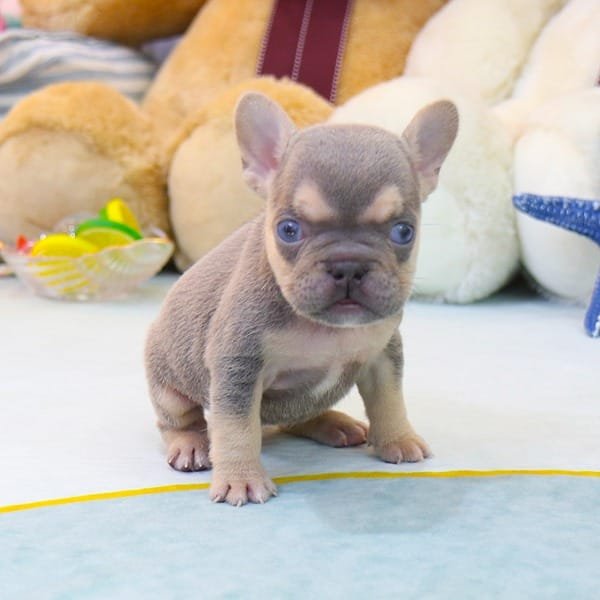
Bringing home a new puppy is exciting, but the work starts before your puppy ever walks through the door. Preparing your home for a new puppy ahead of time keeps your puppy safe, protects your belongings and makes the first days much less stressful for everyone. It’s especially important for teacup and toy puppies, which can squeeze into tiny gaps, get hurt by falls and get sick from even small amounts of something toxic.
This guide walks you through how to prepare for a new puppy: a room-by-room puppy proofing checklist, how to set up your puppy’s space, getting your yard ready, and how to prepare your family and other pets. For a full list of supplies to buy and a day-by-day plan for the first week, see our new teacup puppy checklist.
Your New Puppy Countdown
2–4 weeks before your puppy comes home
- Choose a veterinarian and book a checkup for the first few days after arrival
- Decide where your puppy will sleep, eat, play and go potty
- Buy the essentials: bed, crate or playpen, food, bowls, puppy pads, harness, toys and grooming tools
- Agree on house rules with everyone in your home
- Look into pet insurance and puppy training classes
1 week before
- Puppy-proof every room your puppy will use (see the checklist below)
- Set up the puppy area so it’s ready on day one
- Ask the breeder what food the puppy eats and buy the same food
- Plan your schedule so someone can be home for the first few days
The day before
- Do a final floor-level sweep for small objects, cords and hazards
- Pack a travel kit: carrier, blanket, puppy pads, wipes, water, food and a glucose supplement for tiny puppies
- Keep the first day calm, with no big parties or visitors
How to Puppy Proof Your House: Room by Room
The best way to puppy-proof is to get down on the floor at puppy height and look around. Anything your puppy can reach, chew, swallow or squeeze behind is a risk.
Living room
- Hide, cover or lift electrical cords and phone chargers
- Block gaps behind and under sofas, entertainment centers and appliances
- Pick up small items like coins, hair ties, batteries, remote buttons and kids’ toys
- Move houseplants out of reach, since many common plants are toxic to dogs
- Check recliners and sofa beds before closing them, because small puppies can crawl inside
- Use pet steps or block access to high furniture so a tiny puppy can’t jump or fall
Kitchen
- Use child-safe latches on lower cabinets, especially where cleaning products are stored
- Use a trash can with a locking lid
- Keep food off low counters and tables. Chocolate, grapes, raisins, onions, garlic and anything with xylitol are dangerous for dogs.
- Watch your step while cooking, since tiny puppies can get underfoot near hot stoves
Bathroom
- Keep the toilet lid closed and the door shut when possible
- Store medications, vitamins, razors, cotton swabs and dental floss in closed cabinets
- Keep the trash can covered or out of reach
Bedrooms
- Keep shoes, socks and clothing in closets or hampers
- Pick up jewelry, hair accessories and small toys
- Don’t let a tiny puppy jump off the bed. Use steps, or keep them in their own bed or crate at night.
Laundry room and garage
- Store laundry pods, detergent and dryer sheets up high
- Always check the washer and dryer before turning them on
- Keep antifreeze, pesticides, rodent poison, fertilizer and paint locked away. Even a small amount of antifreeze can be fatal.
- Keep puppies out of the garage entirely if possible
Stairs, doors and balconies
- Install baby gates at the top and bottom of stairs
- Check that balcony railings don’t have gaps wide enough for a small puppy to slip through, and cover them with mesh if needed
- Teach everyone to close doors gently and check behind them first
Setting Up Your Puppy’s Space
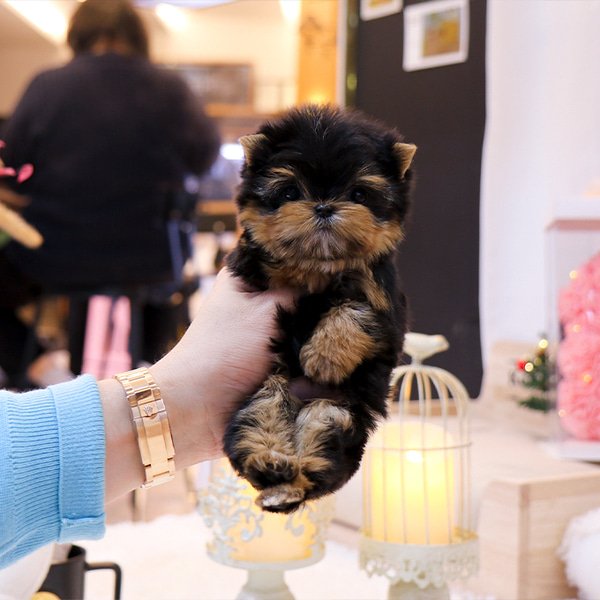
A new puppy shouldn’t have the run of the whole house at first. A small, safe area helps with potty training, prevents accidents and gives your puppy a calm place to rest. When setting up a puppy area, include:
- A playpen or gated area in a room where the family spends time, such as the kitchen or living room
- A cozy bed or crate in a warm, draft-free spot. A crate that’s just big enough to stand up, turn around and lie down in works best.
- A potty area with puppy pads or a turf patch at the opposite end from the bed
- Food and water bowls that are small, shallow and hard to tip over
- Safe chew toys sized for your puppy’s mouth
- A soft blanket. If the breeder can send one that smells like the mother and littermates, even better.
For teacup puppies, keep the area warm, since tiny dogs lose body heat quickly, and away from heating vents, fireplaces and direct sun. Our teacup puppy potty training guide explains how to set up and use the potty area.
Getting Your Yard Ready

- Check fences for gaps, both under and between boards. Small puppies can slip through openings of just a few inches.
- Remove toxic plants such as sago palm, azaleas, oleander, tulip and daffodil bulbs, and foxglove. Ask your vet or check a pet poison database if you aren’t sure.
- Avoid cocoa bean mulch, which can be toxic to dogs.
- Store lawn and garden chemicals safely, and keep your puppy off treated grass until it’s dry.
- Fence or cover pools, ponds and hot tubs. Puppies can fall in and be unable to climb out.
- Always supervise tiny puppies outdoors. Hawks, owls and other predators can be a real danger to teacup dogs.
- Wait for your vet’s okay before your puppy explores public areas where unvaccinated dogs may have been.
Preparing Your Family and Other Pets
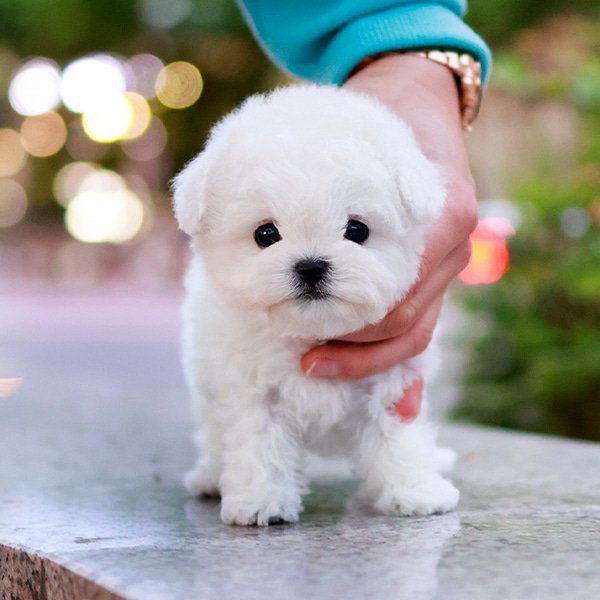
Set house rules before day one
Puppies learn fastest when everyone is consistent. Agree on:
- Which rooms and furniture the puppy is allowed in or on
- Who feeds the puppy, and when
- Who takes the puppy for potty breaks, and the words you’ll use (such as “go potty”)
- Simple training words like “sit,” “come” and “off”
Prepare children
- Teach children to sit on the floor when holding the puppy
- Explain that puppies need lots of sleep and shouldn’t be woken up
- Always supervise play, especially with teacup and toy puppies
Prepare your other pets
- Make sure your current pets are healthy and up to date on vaccinations
- Plan slow, supervised introductions, with the puppy in a playpen or behind a gate at first
- Give each pet its own food bowl, bed and space
- Never leave a tiny puppy alone with a larger dog or a cat until you’re sure they’re safe together
Plan Your Puppy’s Daily Routine
Puppies feel safest with a predictable routine. Before your puppy arrives, plan the times for:
- Meals, which for teacup puppies means small meals every 3–4 hours (see our teacup puppy feeding schedule)
- Potty breaks, after waking up, after eating, after play and before bed
- Play and short training sessions
- Naps, since young puppies sleep 18–20 hours a day
- Bedtime, in the same place at the same time every night
Quick Puppy Proofing Checklist
- Electrical cords hidden or covered
- Small objects picked up off the floor
- Cleaning products and medications locked away
- Trash cans covered
- Toxic plants removed or out of reach
- Gaps behind furniture and appliances blocked
- Baby gates on stairs
- Toilet lids closed
- Fences and balcony railings checked for gaps
- Puppy area set up with bed, potty spot, bowls and toys
- Vet appointment booked
- Family house rules agreed
Frequently Asked Questions
How do I prepare my house for a new puppy?
Puppy-proof every room at floor level, set up a safe puppy area with a bed, potty spot, food and water, buy the essential supplies, book a vet visit and agree on house rules with your family before the puppy arrives.
Where should a new puppy sleep the first night?
Many owners place the puppy’s crate or bed in or near their bedroom for the first few nights. Being close to you helps the puppy feel safe and makes nighttime potty breaks easier.
How long does it take to puppy-proof a house?
Most homes can be puppy-proofed in a day or a weekend. Start about a week before your puppy arrives so you have time to buy gates, latches and other supplies.
Should a new puppy have free run of the house?
No. Start with a small, safe area and slowly give more freedom as your puppy becomes house-trained and learns the rules. This prevents accidents and keeps your puppy safe.
What is the most important thing to do before bringing a puppy home?
Make your home safe. Remove anything your puppy could chew, swallow or get trapped in, and set up a comfortable space where your puppy can eat, sleep and go potty.
Ready to Welcome Your New Puppy?
A little preparation goes a long way. When your home is safe, your puppy’s space is ready and everyone knows the plan, your new puppy can settle in quickly and you can focus on enjoying every moment together.
Next, read our teacup puppy care guide for everyday care, or compare our popular teacup dog breeds. When you’re ready, see our available teacup puppies.