
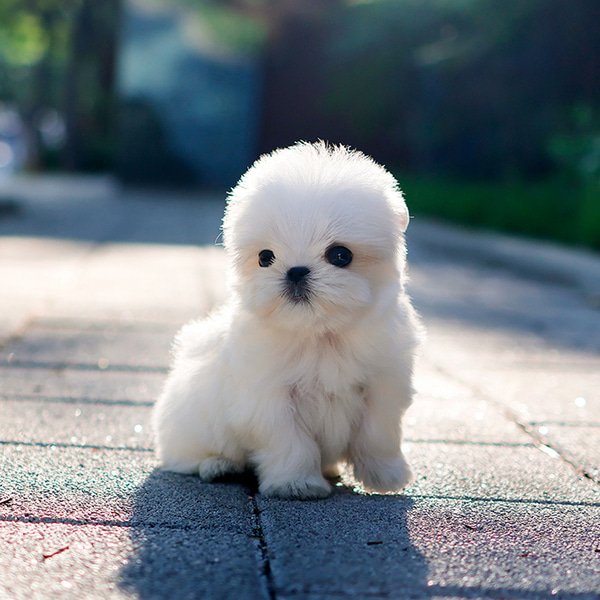
Teacup puppies are tiny, loving and full of personality, but their small size means they need more careful attention than a standard-size dog. Whether you’ve just brought one home or you’re still deciding, this teacup puppy care guide covers everything you need to know: safe handling, keeping warm, grooming, dental care, vet visits, exercise, training and the most common teacup dog health problems.
Use this guide as your starting point. For step-by-step help with specific topics, we link to our detailed guides along the way.
Quick Teacup Puppy Care Checklist
- Feed small meals every 3–4 hours while your puppy is young
- Keep your puppy warm and away from drafts
- Use a harness, never a collar, for walks
- Prevent jumps and falls from furniture
- Brush teeth daily and groom coat regularly
- Book a vet visit within the first few days at home
- Keep up with vaccinations and parasite prevention
- Start gentle training and socialization early
Bringing your puppy home soon? Our new teacup puppy checklist covers the supplies you’ll need and your first seven days.
1. Feeding Your Teacup Puppy
Nutrition is the foundation of teacup dog care. Tiny puppies have small stomachs and very little energy in reserve, so they need several small meals a day of a high-quality small-breed puppy food. Missing meals can lead to hypoglycemia (low blood sugar), which is one of the most common emergencies in teacup puppies.
For a full chart by age, portion sizes, the signs of low blood sugar and foods to avoid, read our teacup puppy feeding schedule.
2. Safe Handling and Puppy-Proofing

The biggest everyday risk for a teacup puppy is injury. Their bones are small and delicate, and a fall that a larger dog would shrug off can cause a fracture.
- Prevent jumping from beds, couches and chairs. Use pet steps or ramps, or lift your puppy down.
- Hold your puppy correctly: support the chest with one hand and the back legs and bottom with the other. Never pick them up by the legs or the scruff.
- Sit on the floor when children hold the puppy, and always supervise.
- Watch your step and be careful when closing doors, reclining chairs or folding sofa beds.
- Puppy-proof the home: cover electrical cords, block gaps behind furniture, and keep small objects, medications and cleaning products out of reach.
- Be careful around larger pets. Even a friendly big dog can hurt a teacup puppy by accident during play.
3. Keeping Your Teacup Puppy Warm (and Not Too Hot)
Small dogs lose body heat quickly. A cold puppy burns extra energy to stay warm, which also raises the risk of low blood sugar.
- Keep your home comfortably warm and give your puppy a cozy bed away from drafts.
- Use a soft puppy sweater or coat outside in cool weather.
- Watch for shivering, curling up tightly or seeking out warm spots.
- In summer, avoid hot pavement and never leave your puppy in a car. Tiny dogs can overheat quickly too.
4. Teacup Puppy Grooming
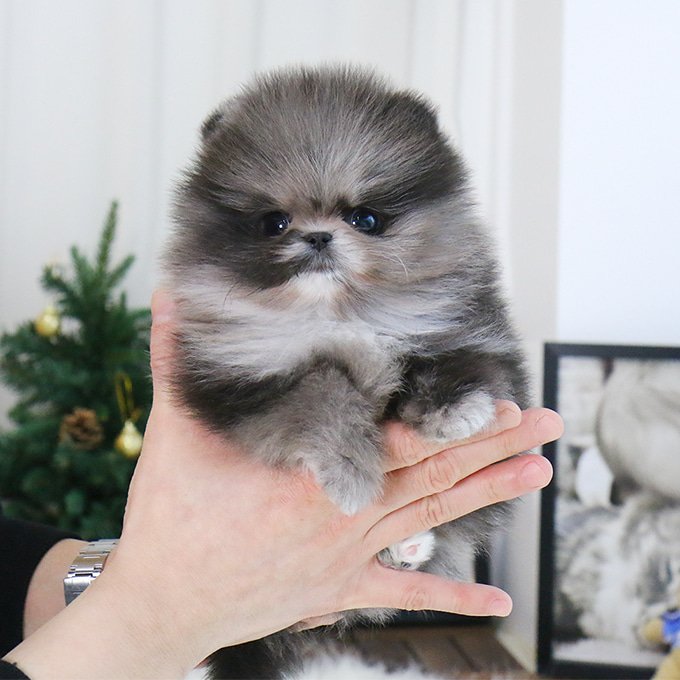
Grooming keeps your teacup puppy comfortable, clean and healthy. It’s also a great time to check for lumps, skin problems or parasites. Start gentle grooming sessions early so your puppy learns to enjoy them.
- Brushing: Long or silky coats (Yorkie, Maltese, Shih Tzu) need brushing daily or every other day. Curly coats (Poodle, Maltipoo) need brushing several times a week. Double coats (Pomeranian) need regular brushing, especially when shedding.
- Bathing: Every 3–4 weeks is enough for most puppies. Use a gentle puppy shampoo, warm water, and dry your puppy completely so they don’t get chilled.
- Nail trims: Every 2–3 weeks. Long nails can affect how a small dog walks.
- Eyes: Gently wipe around the eyes daily. White breeds like the Maltese are prone to tear stains.
- Ears: Check weekly and clean with a vet-approved ear cleaner if needed.
- Professional grooming: Many long-coated breeds benefit from a trim every 6–8 weeks.
5. Dental Care for Teacup Dogs
Dental disease is one of the most common teacup dog health problems. Their small mouths often mean crowded teeth, which trap food and plaque. Some toy breeds also keep their baby teeth after the adult teeth come in.
- Brush your puppy’s teeth daily with a small finger brush and dog toothpaste (never human toothpaste).
- Offer appropriately sized dental chews approved by your vet.
- Ask your vet to check for retained baby teeth around 5–7 months of age.
- Schedule regular dental checkups as your dog grows.
6. Vet Care, Vaccinations and Parasite Prevention
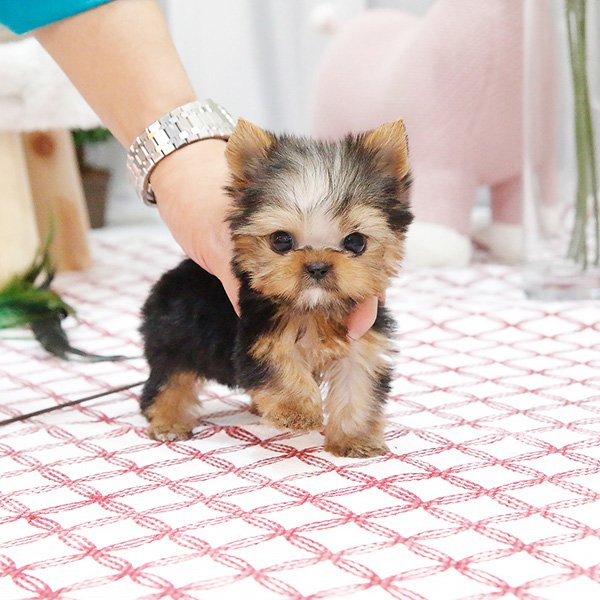
Choose a veterinarian who has experience with toy breeds, and book your first visit within a few days of bringing your puppy home.
- Vaccinations: Puppies usually receive a series of core vaccines every 3–4 weeks from about 6–8 weeks of age until around 16 weeks, plus rabies according to local law. Your vet will set the exact schedule.
- Parasite prevention: Ask your vet about deworming and flea, tick and heartworm prevention that is safe for very small dogs. Dosing by weight is especially important for teacup puppies.
- Weight checks: Weigh your puppy weekly at home and at every vet visit.
- Spay and neuter: Talk to your vet about the best timing for your puppy’s size and breed.
- Pet insurance: Consider it early, before any health issues appear.
Learn about our approach to puppy health on our health check page.
7. Common Teacup Dog Health Problems
Knowing what to watch for helps you catch problems early. Common health concerns in teacup and toy breeds include:
- Hypoglycemia (low blood sugar): weakness, trembling, sleepiness or wobbliness, especially after a missed meal.
- Luxating patella: a kneecap that slips out of place, causing skipping or limping.
- Collapsing trachea: a weak windpipe that causes a “honking” cough. Always use a harness instead of a collar.
- Dental disease: bad breath, red gums or loose teeth.
- Open fontanel (molera): a soft spot on the skull that may not fully close, so the head must be protected from bumps.
- Hydrocephalus: fluid on the brain, sometimes seen in very small breeds.
- Liver shunt: a blood vessel problem that can cause poor growth or unusual behavior after meals.
- Heart conditions that your vet can check for during routine exams.
Call your vet right away if your puppy stops eating, vomits repeatedly, has diarrhea, seems weak or lethargic, has trouble breathing, or has a seizure. Tiny puppies can go downhill quickly.
8. Exercise and Play
Teacup puppies are playful, but they tire quickly. Short, gentle play sessions are better than long, intense ones.
- Offer several short play sessions a day with small, soft toys.
- Indoor play is often enough for very young puppies.
- Once your vet says it’s safe, start short walks on a lightweight harness.
- Avoid rough play with bigger dogs and keep your puppy on a leash outside. Teacup dogs can be targets for hawks and other predators.
- Offer a small snack after active play to help keep blood sugar steady.
9. Training and Socialization
Small dogs are smart and very trainable. Starting early helps prevent common small-dog problems like nervousness, excessive barking and resource guarding.
- House training: Many owners use puppy pads or an indoor potty area. Follow our teacup puppy potty training guide for a full schedule.
- Basic cues: Teach “sit,” “come,” and “wait” with tiny treats and lots of praise. Keep sessions to 5 minutes.
- Socialization: Gently introduce your puppy to new people, sounds, surfaces and calm, vaccinated dogs. Carry your puppy to new places before vaccinations are complete, and ask your vet when puppy classes are safe.
- Treat them like a dog: Teacup dogs that are carried everywhere and never given rules often become anxious. Let them walk, explore and learn manners.
10. Sleep and Daily Routine
Young puppies sleep a lot, often 18–20 hours a day. Give your teacup puppy a quiet, warm sleeping area like a small crate or playpen with a soft bed. A predictable daily routine for meals, potty breaks, play and naps helps your puppy feel secure and makes training easier.
Teacup Puppy Care by Breed
Every breed has its own needs. Long-coated breeds like the teacup Yorkie and teacup Maltese need more grooming. The teacup Pomeranian has a thick double coat. The teacup Chihuahua feels the cold more than most. To compare temperament, grooming and barking, see our guide to the best teacup dog breeds, and our teacup puppy size guide for expected adult weights.
Frequently Asked Questions About Teacup Puppy Care
Are teacup puppies hard to take care of?
They aren’t hard, but they do need more attention than larger dogs. Frequent meals, careful handling, warmth and regular vet care are the most important things. With a good routine, most owners find teacup dogs very rewarding.
How long do teacup dogs live?
Many small breeds live 12–15 years or longer. Good genetics, a healthy diet, dental care and regular vet checkups all help a teacup dog live a long life.
Can teacup puppies be left alone?
Young teacup puppies shouldn’t be left alone for long, because they need frequent meals and potty breaks. As they grow, you can slowly build up time alone in a safe, puppy-proofed area.
Do teacup puppies need a sweater?
Often, yes. Many teacup dogs benefit from a sweater or coat in cool weather because they lose body heat quickly.
How often should I take my teacup puppy to the vet?
Expect several visits during the first four months for vaccinations and checkups, then at least once a year for healthy adult dogs. Many vets recommend twice-yearly visits for small breeds.
Give Your Teacup Puppy the Best Start
Caring for a teacup puppy takes a little extra planning, but the reward is a loyal, loving companion for years to come. Keep this teacup puppy care guide handy, build a steady routine, and work closely with your vet.
Looking for your own tiny companion? Read our teacup puppies for sale buyer’s guide or see our available teacup puppies.
This article is for general information only and is not a substitute for advice from your veterinarian. Always ask your vet about your own puppy’s health and care.