
A new teacup puppy changes your home overnight. Tiny dogs need the same things as any puppy, but with less room for error: they get cold faster, run low on energy faster, and can be hurt by things a larger dog would shrug off. This checklist covers what to buy before your puppy arrives, how to set up your home, and what to expect day by day through the first week. When you are ready, you can see the puppies looking for homes on our available puppies page.
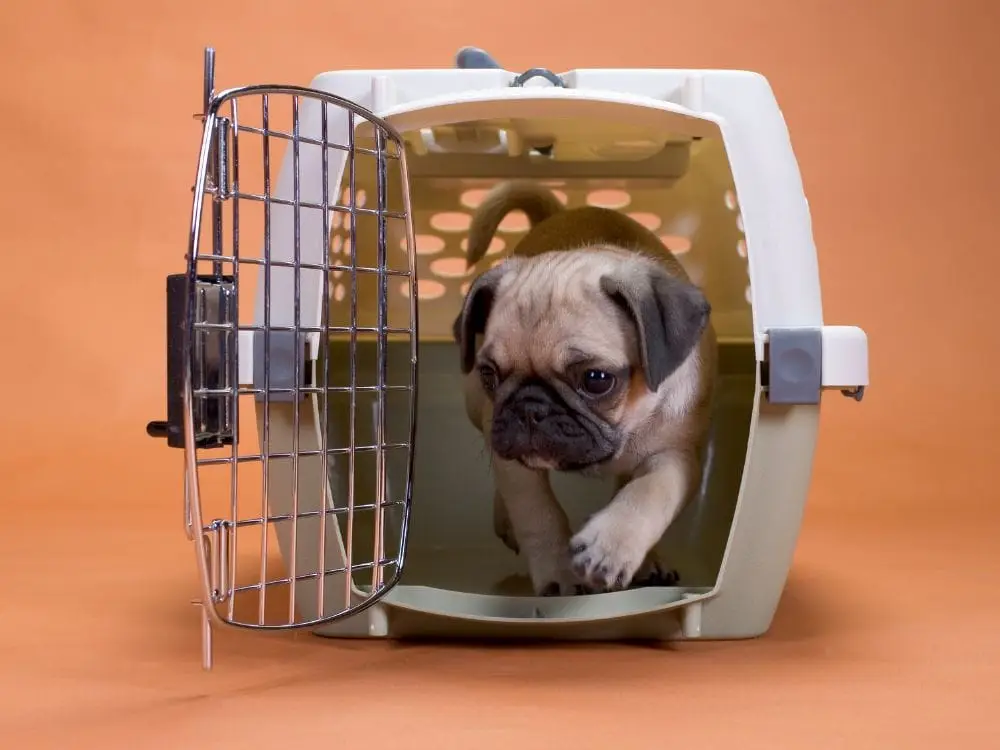
Before your new teacup puppy arrives: supplies
- A small crate or playpen with a soft bed. A playpen gives a safe area for play, toilet pad and bed while you are busy.
- Shallow food and water bowls. Small, heavy bowls stop tipping and are easy for a tiny muzzle to reach.
- The same food the puppy already eats. Ask what the puppy is fed and buy that brand, so the tummy does not have to adjust at the same time as everything else.
- A harness, not a collar, for walks. Toy breeds can have delicate windpipes, and a harness spreads pressure across the chest.
- Puppy pads or a litter tray for indoor toilet training.
- Soft toys and safe chews sized for a tiny mouth. Avoid anything small enough to swallow.
- A soft brush and comb, gentle puppy shampoo, and nail clippers for small dogs.
- A warm blanket or snuggle toy, ideally with the scent of the litter if the breeder can send one.
- A high-calorie supplement gel recommended by your vet, kept handy for low blood sugar.
Puppy-proofing for a tiny dog
Get down to puppy height and look around. A teacup puppy can squeeze behind furniture, under appliances and through stair railings. Before arrival:
- Block gaps behind sofas, fridges and washing machines.
- Put baby gates on stairs and keep the puppy off high furniture; a jump from a sofa can break a small leg.
- Tidy away cables, socks, hair ties, medicines and anything that could be swallowed.
- Check that household plants are safe for dogs, and keep chocolate, grapes, raisins, onions and xylitol-sweetened foods well out of reach.
- Agree a rule for the whole household: always look down before you sit, step or close a door.

Feeding a new teacup puppy and avoiding low blood sugar
Small, frequent meals are the most important part of teacup puppy care. Tiny puppies have very little energy in reserve, so a skipped meal, a cold room or a stressful journey can lead to low blood sugar, called hypoglycemia. Feed four or more small meals a day spread from morning to evening, or follow the schedule the breeder gives you, and make sure fresh water is always available.
Watch for the warning signs: unusual sleepiness, wobbling or weakness, trembling, glassy eyes, or a puppy that will not eat. If you see them, warm the puppy, rub a small amount of honey or corn syrup on the gums, and call your vet straight away. Do not wait to see whether it passes.
The American Kennel Club article on hypoglycemia is worth reading before your puppy arrives so you recognise the signs quickly.
Your first seven days with a new teacup puppy
Day 1: arrival
Keep the first day quiet. Show your puppy the bed, the water bowl and the toilet spot, then let it explore one room at a time. Offer a small meal soon after arrival, especially after travel. Our puppy travel page explains how puppies are transported to you and what to have ready when they land.
Days 2 and 3: routine
Set a simple rhythm: wake, toilet, meal, play, nap, repeat. Puppies sleep up to 18 to 20 hours a day, and naps are when they grow. Take your puppy to the toilet spot after every meal, nap and play session, and praise success.
Days 3 to 5: first vet visit
Book a vet appointment within the first few days. Bring the vaccination and deworming records you received, and ask the vet to weigh the puppy so you have a baseline. Our health check page explains what has already been checked before your puppy leaves us.
Days 5 to 7: gentle socialising
Start short, positive introductions to new sounds, gentle handling of paws and ears, and calm visitors. The AVMA guidance on puppy socialization explains why these early weeks shape your dog’s confidence for life. Carry your puppy rather than setting it down in public places until your vet says vaccinations are complete.

Questions to ask before you pick up your puppy
A good handover makes the first week much easier. Before your new teacup puppy comes home, ask for:
- The vaccination and deworming record, with the dates the next doses are due.
- The brand of food, how much the puppy eats at each meal, and the current feeding times.
- The puppy’s current weight, and the parents’ adult weights.
- Any microchip number and how to register it in your name.
- Tips on the puppy’s personality: how it sleeps, what comforts it, and what it already knows about toilet training.
We give every family this information, and our team stays on hand after your puppy goes home. You can learn more about who we are on our about us page.
Children and other pets
Teach children to sit on the floor whenever they hold the puppy, so a wriggle never becomes a fall. Introduce other pets on neutral ground, keep early meetings short, and never leave a tiny puppy alone with a larger dog or a cat until you are sure they are relaxed together.
Your new teacup puppy checklist at a glance
- Crate or playpen, bed and warm blanket
- Shallow bowls and the puppy’s current food
- Harness and lead, puppy pads, grooming kit
- Home puppy-proofed at floor level, stairs gated
- Four or more small meals a day; know the signs of low blood sugar
- Vet appointment booked for the first few days
- A calm first day and a simple daily routine
Have a question about getting ready? Call us on (623) 396-4229 or send us a message. We would much rather answer a question before your puppy arrives than after.
Ready to welcome a new teacup puppy into your home? Meet the puppies available now, or read our teacup puppy size guide to choose the right breed.