
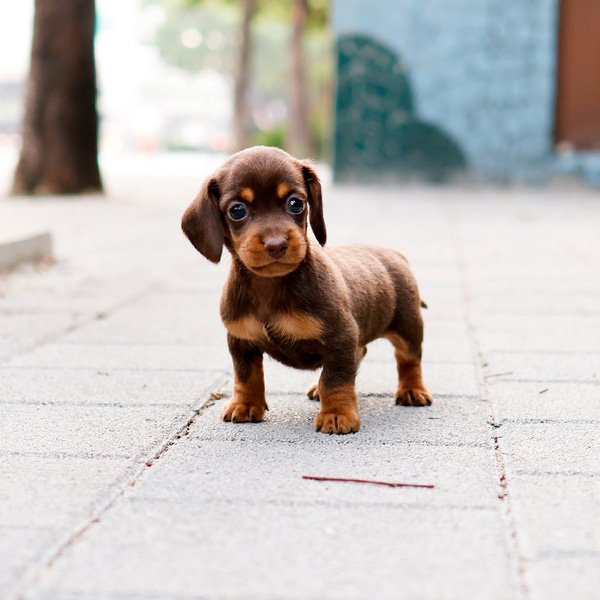
Where your puppy comes from matters just as much as which breed you choose. A responsible puppy breeder raises healthy, well-socialized puppies, tests parent dogs for genetic problems and stays in touch long after you take your puppy home. An irresponsible breeder, puppy mill or online scammer can leave you with a sick puppy, heartbreak and large vet bills, or no puppy at all.
This guide explains how to choose a responsible dog breeder: what good breeders do, the questions to ask, the red flags to watch for, and how to protect yourself when buying a puppy online. These steps matter even more for teacup and toy breeds, which are more vulnerable to health problems.
What Is a Responsible Dog Breeder?
A responsible breeder breeds to improve the health and temperament of their dogs, not just to produce as many puppies as possible. In general, a reputable breeder:
- Health tests parent dogs for conditions common in the breed
- Raises puppies in a clean home or kennel with daily human contact
- Keeps puppies with their mother until at least 8 weeks of age
- Provides age-appropriate vaccinations, deworming and a vet examination
- Asks you questions to make sure the puppy is a good fit
- Gives you a written contract and health records
- Will take the dog back at any point in its life if you can’t keep it
- Is happy to answer questions and stays available for advice
Breeder, Broker, Pet Store or Puppy Mill: What’s the Difference?
- Breeder: The person who owns the parent dogs and raised the litter.
- Broker or puppy placement service: A business that sells puppies on behalf of one or more breeders. If you buy through a broker, ask exactly who bred the puppy, where it was raised and whether you can see that breeder’s records.
- Pet store: Usually sources puppies from brokers or commercial breeders, and you rarely get to see the parents.
- Puppy mill: A large-scale operation that puts profit ahead of animal welfare, often with poor living conditions, little vet care and constantly bred mothers.
Whoever you buy from, the same standards apply: you should be able to learn where the puppy came from, how it was raised and what health care it has received.
12 Questions to Ask a Dog Breeder
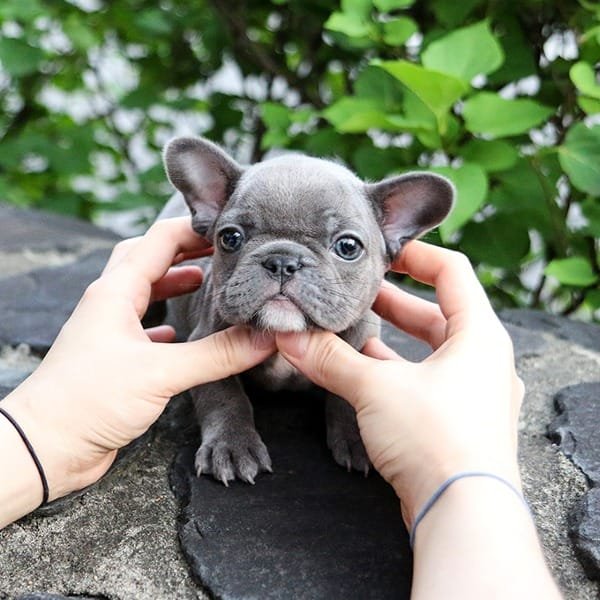
Use these questions to ask a dog breeder on the phone or during a visit. A reputable breeder will be glad you asked.
- Can I meet the puppy and the mother, in person or on a live video call?
- What health tests have the parents had? Can I see the results?
- How old is the puppy, and when will it be ready to go home?
- How much do the parents weigh? (Especially important for teacup and toy breeds.)
- What vaccinations and deworming has the puppy received, and when?
- Has a licensed vet examined the puppy? Can I have a copy of the report?
- Where are the puppies raised, and how are they socialized?
- How many litters do you have each year, and how often is the mother bred?
- Do you offer a written contract and health guarantee? What does it cover?
- Will you take the dog back if I can’t keep it in the future?
- Are you licensed, if required by your state or the USDA?
- Can you give me references from past puppy buyers or your veterinarian?
Health Testing: What to Look For
Genetic health testing helps reduce the chance of inherited disease. Depending on the breed, responsible breeders often test parent dogs for:
- Patellas (kneecaps): Luxating patella is common in toy breeds like Yorkies, Pomeranians, Chihuahuas and Poodles.
- Heart: A cardiac exam by a veterinarian or cardiologist.
- Eyes: An eye exam by a veterinary ophthalmologist, and DNA tests for inherited eye diseases such as PRA where available.
- Breathing: For flat-faced breeds like French Bulldogs and Shih Tzus, assessments of airway health.
- Breed-specific DNA tests recommended by the breed’s parent club.
Ask to see written results, not just a verbal promise. In the U.S., many results can be checked on public health databases such as the Orthopedic Foundation for Animals (OFA). Learn how we approach puppy health on our health check page.
Signs of a Good Puppy Environment
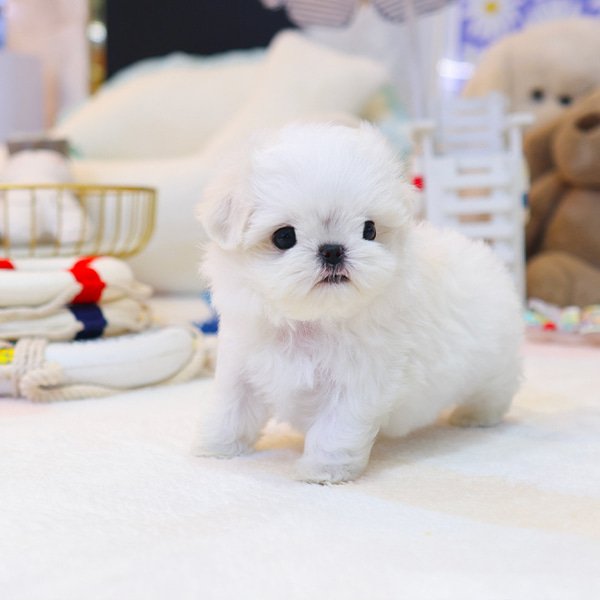
Whether you visit in person or on video, look for:
- A clean, warm, safe space with fresh water
- Puppies that are curious, playful and comfortable being handled
- Clear eyes, clean ears, a clean nose and a healthy coat
- A mother dog who is healthy and relaxed around people
- Puppies exposed to normal household sights and sounds
Puppy Breeder Red Flags
Walk away, or at least slow down and ask more questions, if you notice any of these puppy breeder red flags:
- Won’t let you see the puppy, the mother or where the puppies are raised, even on a live video call
- Puppies are offered before 8 weeks of age
- No health records, vet report or written contract
- Can’t or won’t tell you who bred the puppy
- Always has many puppies of many breeds available, with no waiting list or questions for you
- Pressures you to decide or pay quickly
- Can’t answer basic questions about the breed or the parents’ health
- Promises that a puppy is “guaranteed” to stay a certain tiny size
How to Avoid Puppy Scams Online
Puppy scams are one of the most common types of online fraud, and small, popular breeds like teacup Yorkies, Pomeranians and French Bulldogs are frequent targets. Protect yourself with these steps:
- Reverse image search the puppy photos. Use Google Lens or a similar tool. If the same photos appear on other websites under different names, be very careful.
- Insist on a live video call with the puppy, ideally with the puppy’s name or today’s date written on paper beside it.
- Pay with a protected method. Avoid sellers who only accept gift cards, wire transfers, cryptocurrency or payment apps sent to “friends and family.”
- Watch for surprise fees after you pay, such as “insurance,” “special crates,” “vaccination certificates” or “customs fees.” This is a classic scam tactic.
- Verify licenses. If a seller says they are USDA-licensed, you can check the license number on the USDA APHIS public search tool.
- Search the seller’s name, phone number and website together with the words “reviews” or “scam,” and check reports on sites like the BBB Scam Tracker.
- Visit in person or pick up the puppy yourself when possible.
A trustworthy seller will understand, and even encourage, these checks. Read more in our teacup puppies for sale buyer’s guide.
What a Good Puppy Contract Includes
- The puppy’s breed, sex, color, date of birth and microchip number (if microchipped)
- The price and exactly what is included
- Health guarantee terms, including what is covered and for how long
- What happens if a vet finds a health problem after purchase
- The breeder’s commitment to take the dog back if needed
- Spay/neuter or registration terms, if any
Read the contract carefully before paying, and ask questions about anything that’s unclear.
Extra Tips for Choosing a Teacup Puppy Breeder
Teacup and toy puppies need extra care in their first weeks. A responsible teacup breeder will:
- Tell you the puppy’s current weight and the adult weights of both parents
- Explain how to prevent low blood sugar and send you home with feeding instructions
- Avoid sending very young or very tiny puppies home until they’re eating well and stable
- Be honest that “teacup” is not an official size and that no one can guarantee adult weight
- Choose safe transport, such as a flight nanny or pickup, rather than cargo shipping
Before your puppy comes home, read our teacup puppy care guide, feeding schedule and new teacup puppy checklist.
Frequently Asked Questions
How do I know if a dog breeder is reputable?
A reputable breeder health tests the parents, lets you see the puppy and mother, provides vet records and a written contract, asks you questions, and will take the dog back if needed. Positive, verifiable reviews from past buyers are another good sign.
Is it safe to buy a puppy online?
It can be, but only with careful checks. Always do a live video call, reverse image search the photos, verify the seller’s identity and licenses, and use a payment method with buyer protection.
How old should a puppy be before leaving the breeder?
Most puppies should stay with their mother and littermates until at least 8 weeks old, and many states require this by law. Some toy and teacup breeders keep puppies a little longer so they are stronger and eating well.
Should a breeder offer a health guarantee?
Many responsible breeders offer a written health guarantee against certain genetic conditions. Read exactly what it covers, how long it lasts and what you must do (such as a vet check within a few days) to keep it valid.
What is the biggest red flag when buying a puppy?
Refusing to show you the puppy live, combined with pressure to pay quickly using a hard-to-trace method like gift cards, wire transfers or crypto. Those are the most common signs of a puppy scam.
Take Your Time and Ask Questions
Choosing a responsible puppy breeder is the best way to start a long, healthy life with your new dog. Ask questions, check records, verify what you’re told and never let anyone rush you. When you’re ready, compare our popular teacup dog breeds, read about our breeder standards, or contact us with any questions. We’re happy to answer them.