

Feeding a teacup puppy is not the same as feeding a regular puppy. A puppy that weighs only a pound or two has a tiny stomach, burns energy fast and has very little reserve to fall back on. Skipping one meal can cause a dangerous drop in blood sugar. The good news? With the right teacup puppy feeding schedule, the right food and a few simple habits, you can keep your little one healthy, energetic and growing well.
This guide covers what to feed a teacup puppy, how much and how often to feed them at every age, how to prevent low blood sugar, and which foods to avoid.
Why Teacup Puppies Need a Special Feeding Plan
Teacup puppies have three things working against them when it comes to food:
- Tiny stomachs – They can only eat a small amount at a time, so they need food more often.
- Fast metabolism – Small dogs burn calories quickly to stay warm and active.
- Little fat and energy storage – Their bodies can’t store much glucose, which makes them prone to hypoglycemia (low blood sugar).
That’s why the number one rule for teacup puppy care is simple: small meals, often, at regular times.
Teacup Puppy Feeding Schedule by Age
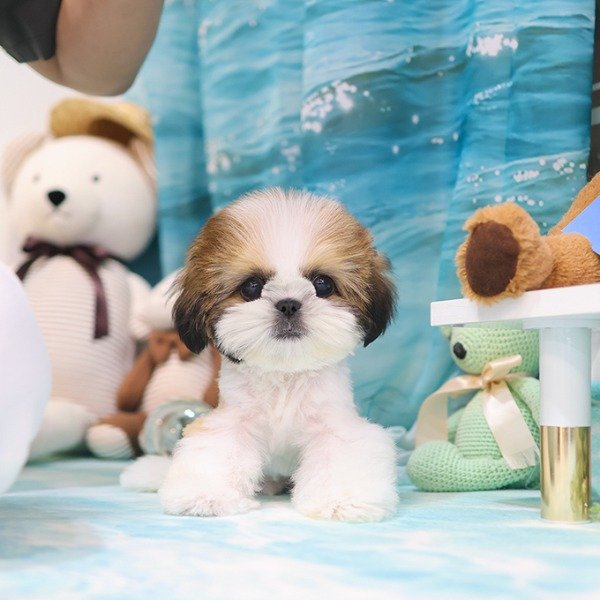
Use this chart as a general starting point. Every puppy is different, so always confirm your puppy’s plan with your veterinarian.
| Puppy age | Meals per day | Time between meals |
|---|---|---|
| 8–12 weeks | 5–6 small meals | About every 3–4 hours during the day |
| 3–6 months | 4–5 small meals | About every 4 hours |
| 6–12 months | 3–4 meals | Every 4–6 hours |
| 12 months and older | 2–3 meals | Morning, midday (optional) and evening |
Sample daily schedule for an 8–12 week old teacup puppy
- 7:00 am – Breakfast, then a potty break
- 10:00 am – Small meal
- 1:00 pm – Lunch
- 4:00 pm – Small meal
- 7:00 pm – Dinner
- 10:00 pm – Small bedtime snack
Very young or very small puppies may also need a small late-night snack. Ask your vet whether your puppy needs one. Feeding at the same times every day also makes house training much easier. Pair this plan with our teacup puppy potty training schedule.
How Much Should You Feed a Teacup Puppy?
The right amount depends on your puppy’s weight, age, breed and activity level. As a starting point:
- Check the feeding chart on the food bag for your puppy’s current weight and age.
- Divide the daily amount by the number of meals in the schedule above.
- Weigh your puppy weekly on a kitchen or baby scale and adjust with your vet’s help.
A healthy teacup puppy should gain weight slowly and steadily. You should be able to feel the ribs easily but not see them sticking out. If your puppy leaves food behind at every meal, or is always hungry, talk to your vet. Our teacup puppy size guide shows typical adult weights by breed.
What to Feed a Teacup Puppy
The best food for a teacup puppy is a high-quality small-breed or toy-breed puppy formula. Look for:
- A named animal protein first on the ingredient list, such as chicken, turkey, lamb or salmon.
- Tiny kibble size that’s easy for a very small mouth to chew.
- A “complete and balanced” statement for growth, which means the food meets nutrition standards for puppies.
- DHA, a fatty acid that supports brain and eye development.
Dry food or wet food? Both can work. Many owners soften dry kibble with a little warm water for young puppies, or mix in a spoonful of wet puppy food to make meals more appealing. If your puppy came with a specific food, keep feeding it for the first week or two. When you switch foods, mix the new food in gradually over 7–10 days to avoid an upset stomach.
Preventing Low Blood Sugar (Hypoglycemia) in Teacup Puppies

Hypoglycemia is one of the most common and most serious problems in teacup puppies, especially in the first few weeks at a new home when stress, travel and a new routine can affect their appetite.
Signs of low blood sugar in a teacup puppy
- Unusual sleepiness, weakness or floppiness
- Trembling or shivering
- Wobbly walking or loss of coordination
- Glassy or unfocused eyes
- Refusing food
- Seizures or collapse in severe cases
What to do if you see the signs
If your vet has shown you how, rub a small amount of a high-calorie supplement (such as a pet glucose gel, corn syrup or honey) onto your puppy’s gums. Do not pour liquid into the mouth of a weak puppy, because they could choke. Keep the puppy warm, and call your veterinarian or an emergency vet right away, even if your puppy seems to recover. Hypoglycemia can come back, and it can be a sign of another health problem.
How to prevent it
- Never skip meals, and don’t let your puppy go long periods without food.
- Keep a glucose supplement at home and in your travel bag.
- Keep your puppy warm, because staying warm uses up energy.
- Limit very long play sessions, and offer a small snack after active play.
- Take your puppy for a vet check within the first few days of bringing them home.
Learn more about how we approach puppy health on our health check page.
Water for Teacup Puppies
Fresh, clean water should be available all day. Use a small, shallow, heavy bowl that won’t tip over, or a small water bottle designed for tiny puppies. Check the bowl often, because tiny puppies can become dehydrated quickly. If you limit water before bedtime for potty training, ask your vet what’s safe for your puppy’s age and size.
Foods That Are Dangerous for Teacup Puppies
Because they’re so small, even a tiny bite of the wrong food can make a teacup puppy very sick. Never feed your puppy:
- Chocolate, coffee or anything with caffeine
- Grapes and raisins
- Onions, garlic, chives and leeks
- Xylitol, a sweetener found in some sugar-free gum, candy, peanut butter and baked goods
- Macadamia nuts
- Cooked bones, which can splinter
- Fatty, salty or heavily seasoned table scraps
If you think your puppy has eaten something toxic, contact your vet or an animal poison control hotline immediately.
Healthy Treats for Teacup Puppies
Treats are great for training, but they add up fast for a tiny dog. Keep treats to no more than about 10% of daily calories, and break them into very small pieces. Good options include small-breed puppy training treats and pieces of their regular kibble.
Common Teacup Puppy Feeding Mistakes
- Free-feeding (leaving food out all day), which makes it hard to know how much your puppy is eating.
- Switching foods too quickly, which can cause diarrhea and dehydration.
- Feeding adult dog food to a growing puppy.
- Overfeeding treats and table scraps, which can lead to picky eating and weight problems.
- Not tracking weight, so problems aren’t noticed early.
Frequently Asked Questions
How often should a teacup puppy eat?
Young teacup puppies (8–12 weeks) usually need 5–6 small meals a day, roughly every 3–4 hours. As they grow, you can slowly reduce this to 2–3 meals a day for adult teacup dogs.
How long can a teacup puppy go without eating?
Not long. Very young teacup puppies should not go more than a few hours without food during the day. If your puppy refuses food for more than one meal or seems weak, contact your vet right away.
What is the best food for teacup puppies?
A high-quality small-breed or toy-breed puppy food with a named meat as the first ingredient and tiny kibble. Your vet can recommend a brand that suits your puppy.
Can teacup puppies eat human food?
Small amounts of plain, cooked, unseasoned chicken or turkey are usually safe as an occasional treat. Avoid seasoned food and the toxic foods listed above, and keep human food to a minimum.
Bringing Home a Teacup Puppy?
A consistent teacup puppy feeding schedule is one of the best things you can do for your new companion’s health. For everything else you’ll need in the first week, see our new teacup puppy checklist. Still choosing your puppy? Read our teacup puppies for sale buyer’s guide, compare the best teacup dog breeds, or see our available teacup puppies.
This article is for general information only and is not a substitute for advice from your veterinarian. Always ask your vet about your own puppy’s diet and health.